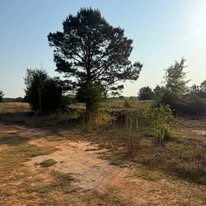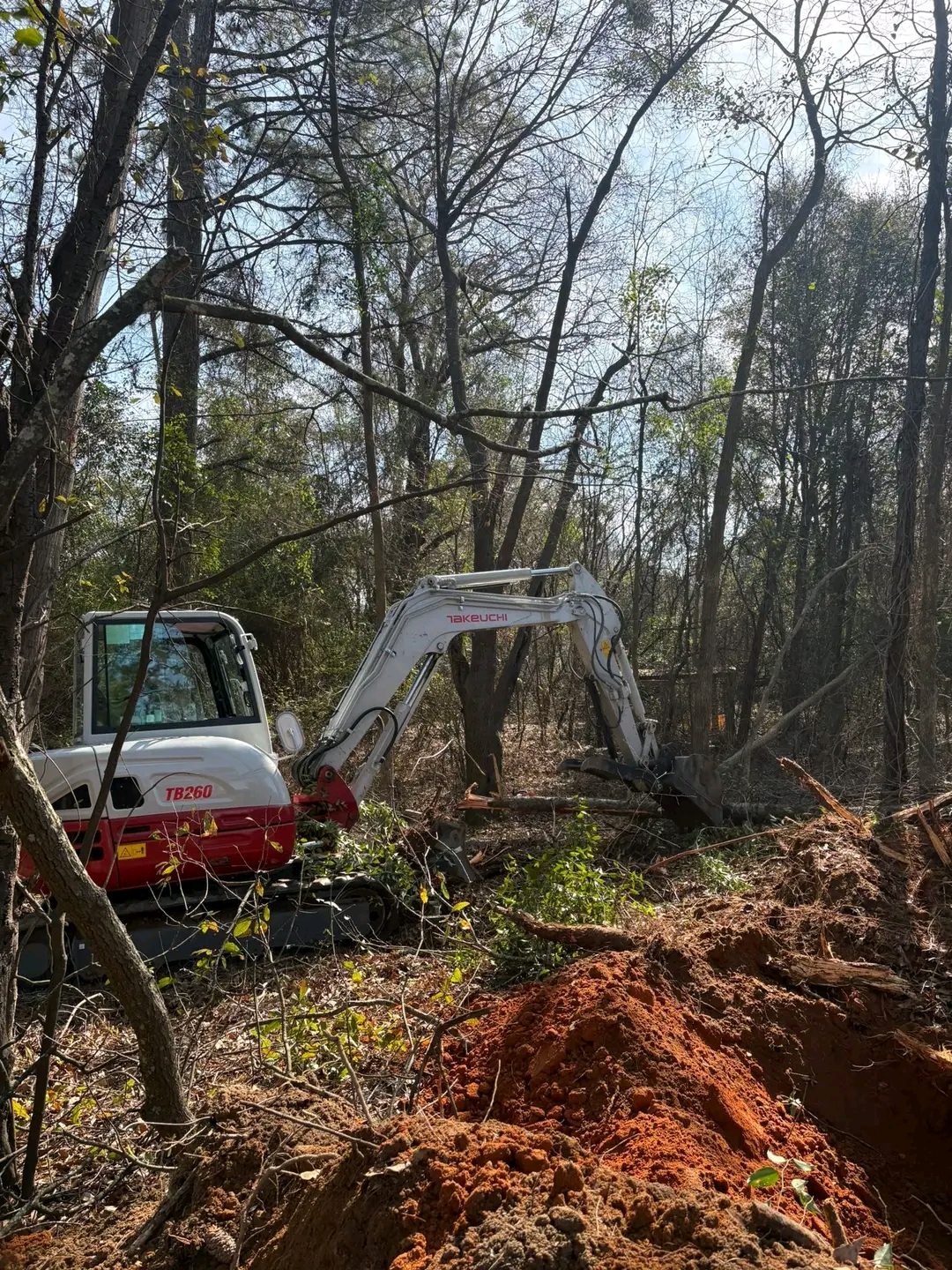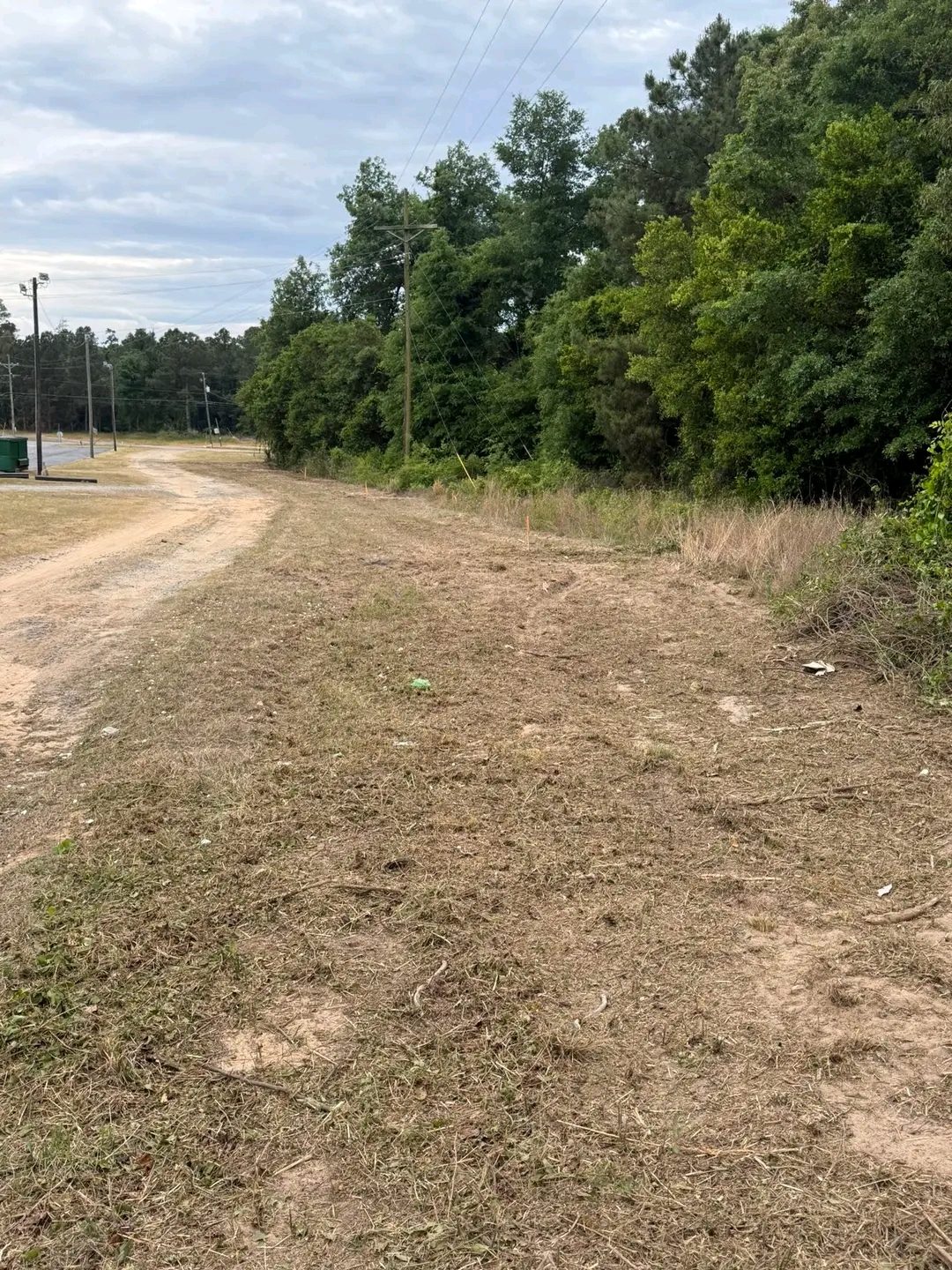
Land clearing turns overgrown or wooded ground into space that can be used for a home site, pasture, access road, food plot, or future project. TCB Farms & Clearing LLC works from Trenton, South Carolina and serves property owners across Aiken, North Augusta, Jackson, Greenwood, and Lexington, as well as Augusta, Evans, and Hephzibah, Georgia. Each property has a different mix of trees, brush, roots, and terrain, so the work begins with understanding what the owner wants to keep and what needs to go.
Clearing may be helpful when vegetation blocks access, when a new building pad or driveway is planned, or when a field has grown beyond routine mowing. The first step is a walk-through and a conversation about boundaries, access, drainage, retained trees, and the intended use of the land. Once the scope is clear, the crew can remove selected trees and brush, pull stumps where needed, and manage the resulting material through placement, processing, or haul-off as agreed for the job.
A practical clearing plan considers more than the acreage. Dense timber takes a different amount of equipment time than light brush; steep or wet ground, tight access, buried obstacles, and long travel distances can affect how a project is completed. The amount of debris and the requested finish also matter. Some owners want a clean, open tract; others want a rough clearing that preserves a tree line or leaves usable wood on site. Pricing is provided by estimate after the work area and requested finish are understood.
For permitting and environmental questions, requirements can differ by county, municipality, and the type of work planned. Owners should confirm local rules before work begins; TCB can help point customers toward the appropriate local office. After clearing, the next step may be grading, excavation, driveway work, or debris removal. Coordinating related site work can help the property move from overgrown ground toward its intended use without losing sight of the owner's priorities. Contact TCB Farms & Clearing for a free estimate in the CSRA.
A useful conversation before clearing covers more than what equipment will remove. Owners can point out mature shade trees, boundary markers, access gates, and areas that should stay untouched. They can also describe whether the tract is intended for recreation, grazing, a home, or simply easier maintenance. This helps the crew plan a finish that suits the property rather than clearing every section in the same way. If the project will happen in stages, share the longer-term plan so access and material placement can be considered from the start. Photos, a rough area measurement, and the property location are helpful when arranging a site visit. Work can then be discussed with a clear understanding of the areas to open and the ground that should remain protected.